

Cervical cancer is one of the most preventable forms of cancer through a combination of vaccination, screening, and early treatment of abnormal cell changes.
Prevention focuses on reducing the risk of HPV infection and identifying abnormalities before they develop into cancer.
Vaccination against human papillomavirus (HPV) is the most effective way to prevent cervical cancer.
HPV vaccines protect against the high-risk virus types responsible for most cervical cancers and are most effective when given before exposure to the virus.
Vaccination is recommended in early adolescence, but can still provide benefit when given later. The vaccine does not treat existing HPV infections, but it significantly reduces the risk of developing new infections and related cancers.
Widespread vaccination has been shown to reduce HPV infections, pre-cancerous lesions, and cervical cancer rates.
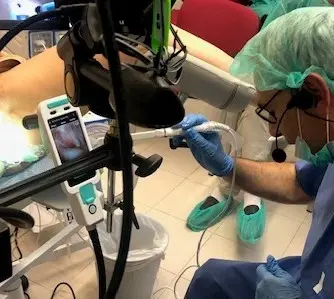
Regular cervical screening plays a critical role in prevention by identifying abnormal cell changes before they become cancer.
HPV testing and other screening methods allow providers to detect risk early and guide appropriate follow-up and management.
When pre-cancerous changes are identified, timely treatment can prevent progression to invasive cervical cancer.
Effective prevention depends not only on screening, but on the ability to move patients from detection to appropriate care without delay.
Prevention is most effective when screening, triage, and treatment are connected within a single pathway.
See how a screen-triage-treat approach supports complete cervical cancer prevention.