
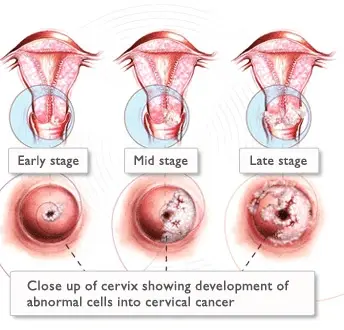
Cervical cancer can often be prevented through early detection of abnormal cell changes before they develop into cancer. Screening identifies individuals at risk, while diagnostic evaluation confirms the presence and extent of disease.
In early stages, cervical cancer and pre-cancerous changes typically cause no symptoms. This is why screening plays a critical role—identifying abnormalities before symptoms develop and before disease progresses.
As cervical cancer progresses, symptoms may include:
These symptoms are not specific to cervical cancer and may be caused by other conditions. However, they should always be evaluated by a healthcare provider.
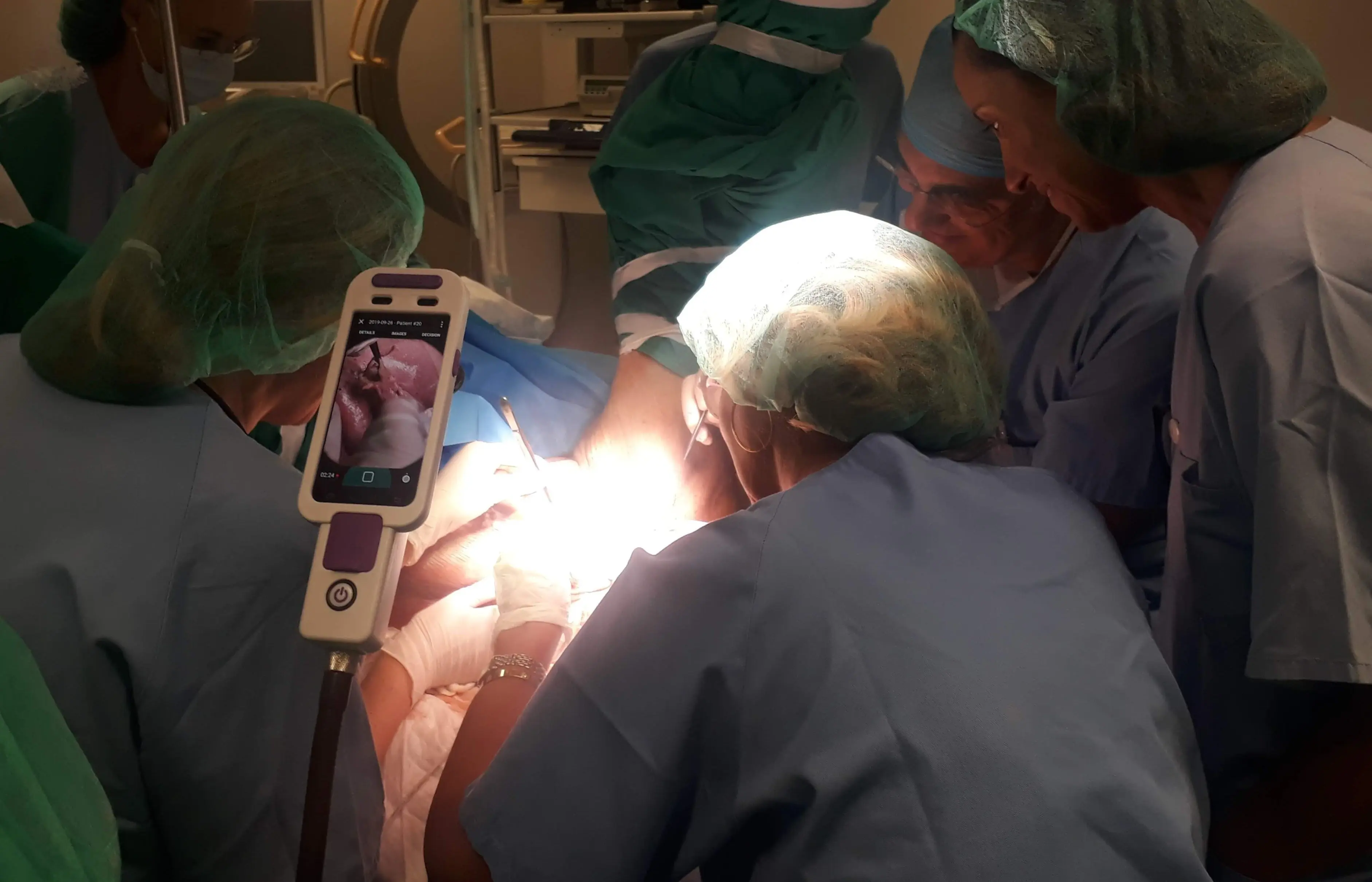
Cervical screening and diagnosis may involve:
Together, these approaches allow providers to identify risk and determine appropriate next steps.
Identifying abnormal results is only the first step. Effective care depends on the ability to guide patients from screening to timely treatment.
See how a screen-triage-treat approach supports earlier detection and improved outcomes.