
Causes, Risk Factors and Prevention

Cervical Cancer Diagram

Cervical Cancer- Risk Factors & Causes

The primary cause of cervical cancer is persistent infection with high-risk types of human papillomavirus (HPV), a common virus transmitted through sexual contact. In most individuals, the immune system clears HPV naturally. In some cases, the infection persists and can lead to changes in cervical cells that may develop into cancer over time.

Several factors increase the likelihood of persistent HPV infection and cervical cancer development:

  • Sexual and exposure-related factors Early sexual activity, having multiple sexual partners, or having a partner with multiple partners increases the likelihood of HPV exposure.
  • Immune status A weakened immune system—such as from HIV infection, immunosuppressive therapy, or chronic conditions—reduces the body's ability to clear HPV.
  • Reproductive and hormonal factors Long-term use of oral contraceptives, multiple full-term pregnancies, and early age at first pregnancy have been associated with increased risk.
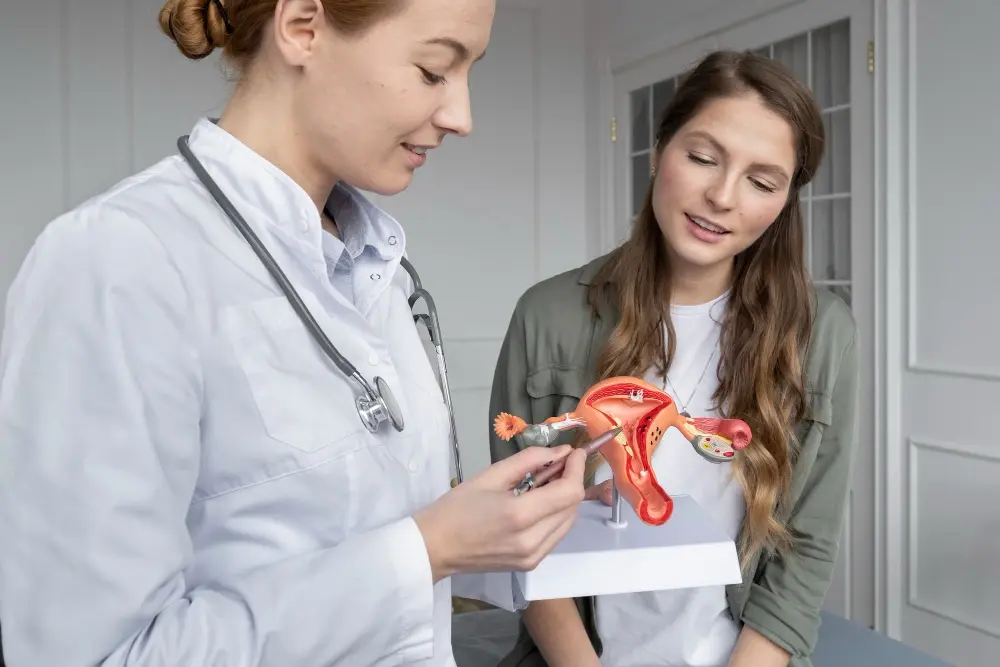
Doctor consulting with a patient

Access To Screening

Lack of regular cervical screening can delay the detection of abnormal cell changes, allowing them to progress over time. Early identification is critical to preventing cervical cancer development.

Reducing risk depends on both prevention and early identification of cervical abnormalities.

See how a screen-triage-treat approach supports earlier detection and timely care.

References:

  1. World Health Organization. Cervical cancer. Available at: https://www.who.int/news-room/fact-sheets/detail/cervical-cancer
  2. World Health Organization. WHO guideline for screening and treatment of cervical pre-cancer lesions: use of HPV DNA genotyping. Geneva: World Health Organization; 2026. Available at: https://iris.who.int/items/7eac93e4-6d76-4d5f-a32d-9fd4c43fd3a7
  3. World Health Organization. WHO guidelines for screening and treatment of cervical pre-cancer lesions for cervical cancer prevention. 2nd ed. Geneva: World Health Organization; 2021.
  4. Crosbie EJ, Einstein MH, Franceschi S, Kitchener HC. Human papillomavirus and cervical cancer. Lancet. 2013 Sep 7;382(9895):889–99.
  5. Schiffman M, Wentzensen N. From human papillomavirus to cervical cancer. Obstet Gynecol. 2010 Jul;116(1):177–85.
  6. American Cancer Society. Cervical Cancer Risk Factors. Available at: https://www.cancer.org/cancer/cervical-cancer/causes-risks-prevention/risk-factors.html