
Understanding cervical cancer is the first step toward prevention and effective care.
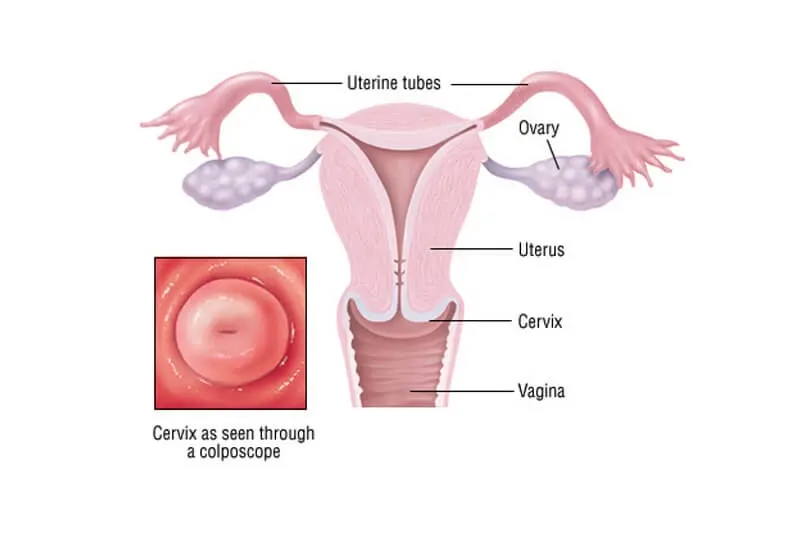
Cervical cancer starts in the cells of the cervix—the lower, narrow part of the uterus that connects to the vagina.
Most cases are linked to infection with certain types of human papillomavirus (HPV), a sexually transmitted virus.
In many people the immune system clears HPV naturally. In some, persistent infection can lead to changes in cervical cells that may develop into cancer over time.
Screening and vaccination greatly reduce the risk of cervical cancer by detecting cell changes early and preventing high-risk HPV infection.
The endocervix (closest to the uterus) is lined with glandular cells.
The ectocervix (next to the vagina) is covered in squamous cells.
These cell types meet at the transformation zone. Its location shifts with age and after childbirth — and it’s where most abnormal cell changes begin.
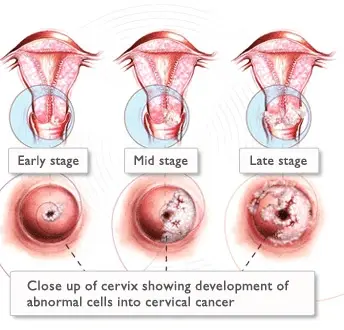
Cervical cancers and cervical pre-cancers are classified by how they look under a microscope. The main types of cervical cancers are squamous cell carcinoma and adenocarcinoma.
Understanding where and how these cancers develop helps guide how abnormalities are identified and managed in modern cervical cancer prevention.
Modern cervical cancer prevention focuses on identifying risk, guiding treatment decisions, and delivering care without delay.
See how a screen-triage-treat model supports timely treatment and improves outcomes.